Harmonic, cycloidal or planetary: choosing a reducer for a robot joint
The criteria to compare and the questions to ask the manufacturer before requesting a quote.
Este artículo está disponible en inglés y francés.
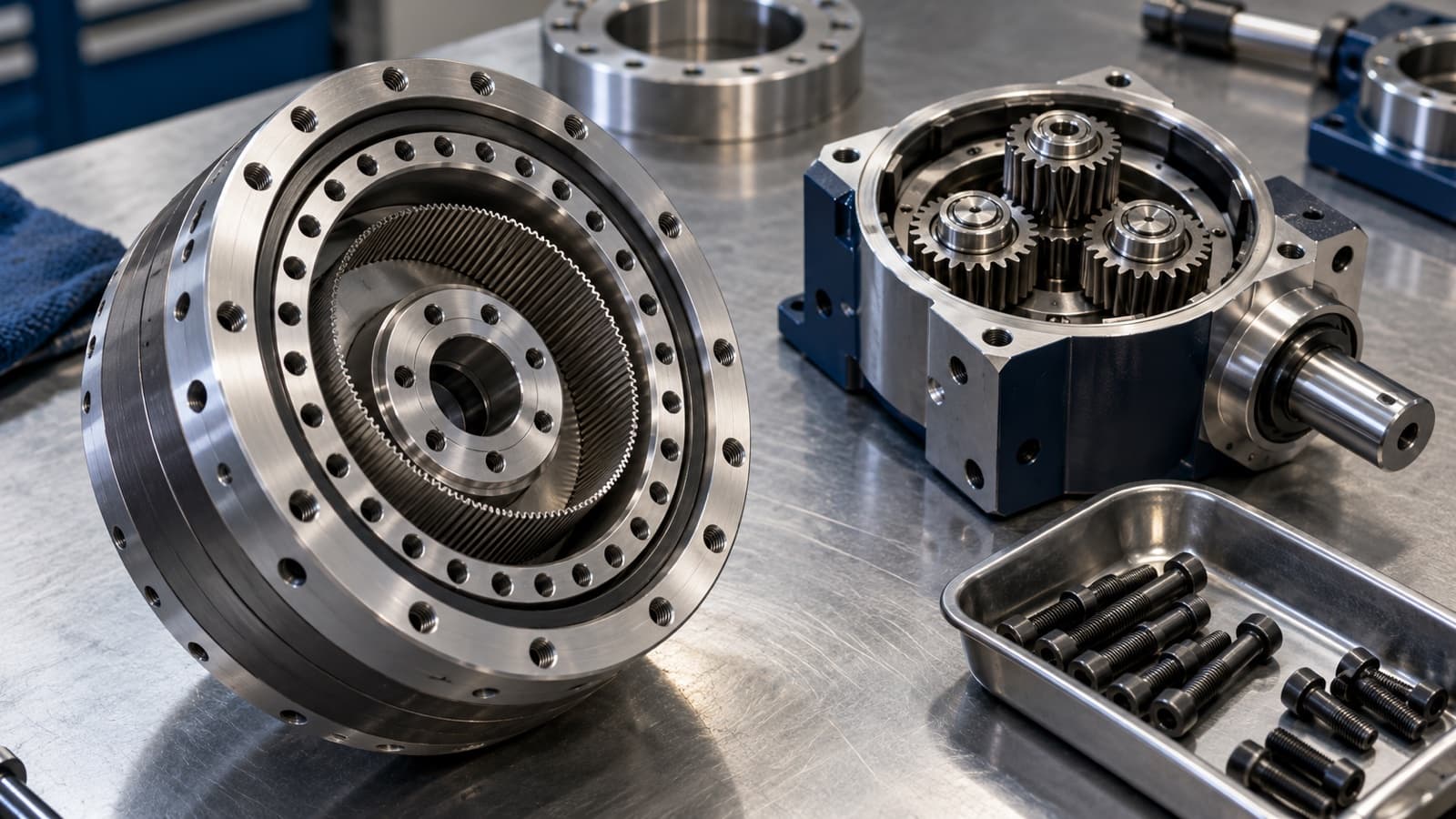
The reducer sets much of a joint’s behaviour: precision, stiffness, size and shock resistance. Three technologies are most common in robotics. None is better in absolute terms; the right choice depends on the joint and its duty cycle.
The three families
- Harmonic (strain wave): compact and light, with very low backlash and a high ratio in a single stage. Common in arms and wrists.
- Cycloidal: very stiff and shock tolerant, often considered for loaded joints such as hips and knees.
- Planetary: simple, backdrivable and economical, with a lower ratio per stage. Frequent in so-called quasi-direct-drive actuators.
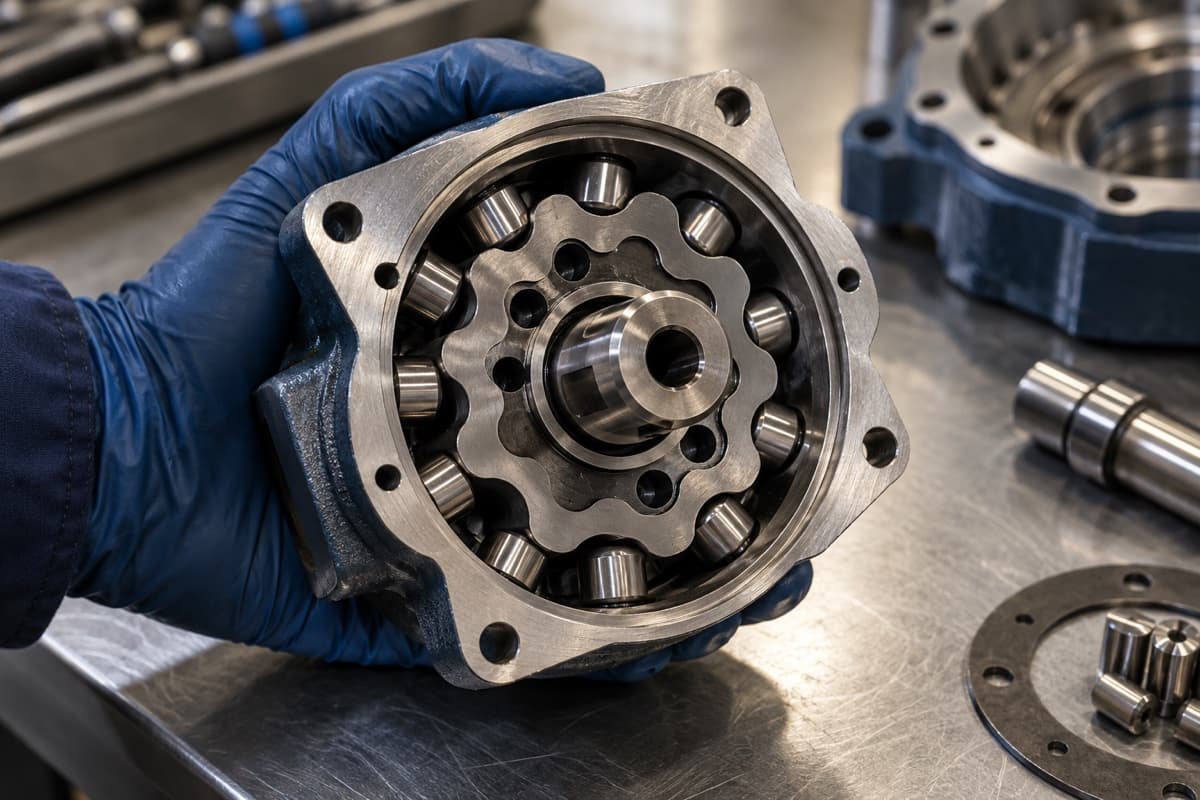
What to compare
- Rated torque, peak torque and permitted emergency-stop torque.
- Angular backlash and how it is measured.
- Torsional stiffness and tilting stiffness.
- Backdrivability, if the joint must be moved by hand or absorb an impact.
- Stated service life and the load conditions it was calculated under.
- Diameter, length, mass and the hollow shaft for cables.
Questions to ask the manufacturer
- Are datasheet values measured on your test bench or calculated?
- Can you provide a backlash and stiffness curve for the exact reference?
- Which lubricant is used, and what maintenance interval do you recommend?
- What is the minimum order quantity and the lead time for samples?
Describe the joint (load, speed, duty cycle, available space) rather than a part number: a manufacturer can then propose the right technology, and the offers you receive stay comparable.